
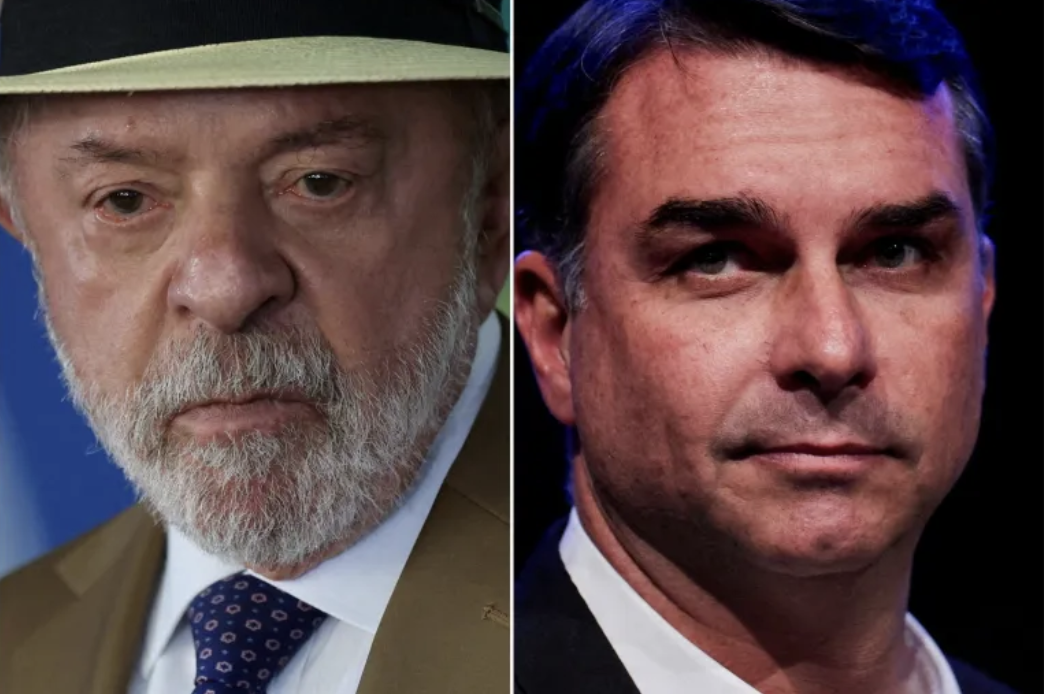
Photo via Al Jazeera
***
This article was written on October 17, 2026, prior to the announcement of the Brazilian election results.
Brazil’s presidential election was supposed to be incumbent President Lula’s to lose, and on Oct. 4th, it nearly was. Senator Flávio Bolsonaro took 47.45% of the valid votes in the first round, ahead of President Lula da Silva’s 44.66%, beating most private polls. Brazil uses a two-round system, in which a candidate must win more than 50% of valid votes (excluding blank and null ballots) in the first round to avoid a runoff between the top two finishers. Since no candidate passed 50%, the top two will meet on Oct. 25th, as has happened in every presidential election in Brazil since 2002, reflecting just how divided the Brazilian population has been in recent history.
For the second election in a row, voters are choosing between Lula and a member of the Bolsonaro family. Flávio’s father, Jair, is ineligible to run and is serving a 27-year house arrest for trying to overturn his 2022 defeat. GloboNews TV analyst Thomas Traumann says polarization remains the defining feature of the race, with both men intensely loved and hated on either side of the political spectrum.
The pocketbook problem
The economy looks decent on paper, yet voters don’t seem to share the same sentiment. Growth has been solid, and unemployment and inflation have been low under Lula’s third term, but household debt has exploded, and worries about the cost of living persist. A September poll found nearly half of Brazilians think the economy worsened over the past year, compared with 19% who think it has improved. This underscores the gap between improvements in labor and inflation and the daily experiences of households.
Crime as the focal point of the election
Ask Brazilians for their biggest problem, though, and prices aren’t the top answer. A June poll found security and crime topped the list at 33%, ahead of public health at 25% and corruption at 23%, while inflation and high prices were cited by only 11%. Even though national homicide rates have declined under Lula, voters view Flavio’s conservative running points as tougher on crime and more effective. Flavio’s plan would designate criminal groups as “narcoterrorist” organizations and build five maximum-security prisons modeled after El Salvador’s. Polls show him preferred on inflation, corruption, and crime, while Lula leads on poverty, inequality, foreign affairs, and health.
Washington looms
Foreign policy has also become a campaign issue. Lula has accused the Trump administration of using tariffs to influence the election, and Brazil and the U.S. are in talks over the levies. It is the second round of major American tariffs in two years, after 50% duties in 2025 following Jair Bolsonaro’s conviction. Whether this pressure rallies voters behind Lula or hurts the Bolsonaros is contested. One report suggests the pressure campaign may be helping the very candidate it was designed to sink.
What to watch
Neither man has a clear mandate to heal the country’s divide. Lula argues that his social programs protect the poor, while Flávio argues that Brazil wants change on crime, corruption, and prices. With margins this thin, turnout matters, as does the 9% of respondents who say they’ll cast a blank or null vote, as they may decide who governs Latin America’s largest economy.
***
This article was edited by Zahra Akhtar and Ananda Ramdass.
 Samantha Kornsey
 Matthew Subramani
 Jackson Cutrone