
Image via Europe in Motion
***
In December 2025, Australia implemented a social media ban on those under the age of 16, impacting platforms such as Instagram, Discord, TikTok, Twitch, X, YouTube, and many more messaging and social apps. This law was passed due to concerns about cyberbullying, anxiety, addiction, suicidal tendencies, mental health issues, and online predators, which many believe are caused by social media.
The ban was passed almost a year ago, and many examinations of the effects in June and July found that despite the implementation of checks such as age verification, the usage of social media has not significantly decreased, with an estimated 8 out of 10 people previously on social media still using their accounts despite the bans. While there are many concerns about age verification, many children are finding ways around age verification by the use of VPNs or other methods.
Jimmy Wales, the founder of Wikipedia, called the ban an “embarrassment,” citing many concerns about social media, stating, “humans don’t need algorithms to be mean to each other.” He also stated that instead of focusing on bans, there should be increased education on how to use existing parental controls, which are less invasive and allow parents to make choices regarding what their children have access to, leaving the power in the hands of parents instead of governments. Others, such as the European Commission of Human Rights and the United Nations International Children’s Emergency Fund (UNICEF), state that such efforts need to be taken with care to prevent censorship of speech or marginalization of vulnerable groups; they emphasize that bans aren’t long-term solutions if they aren’t paired with efforts to moderate content, protect privacy, and not push children to possibly more dangerous sites.
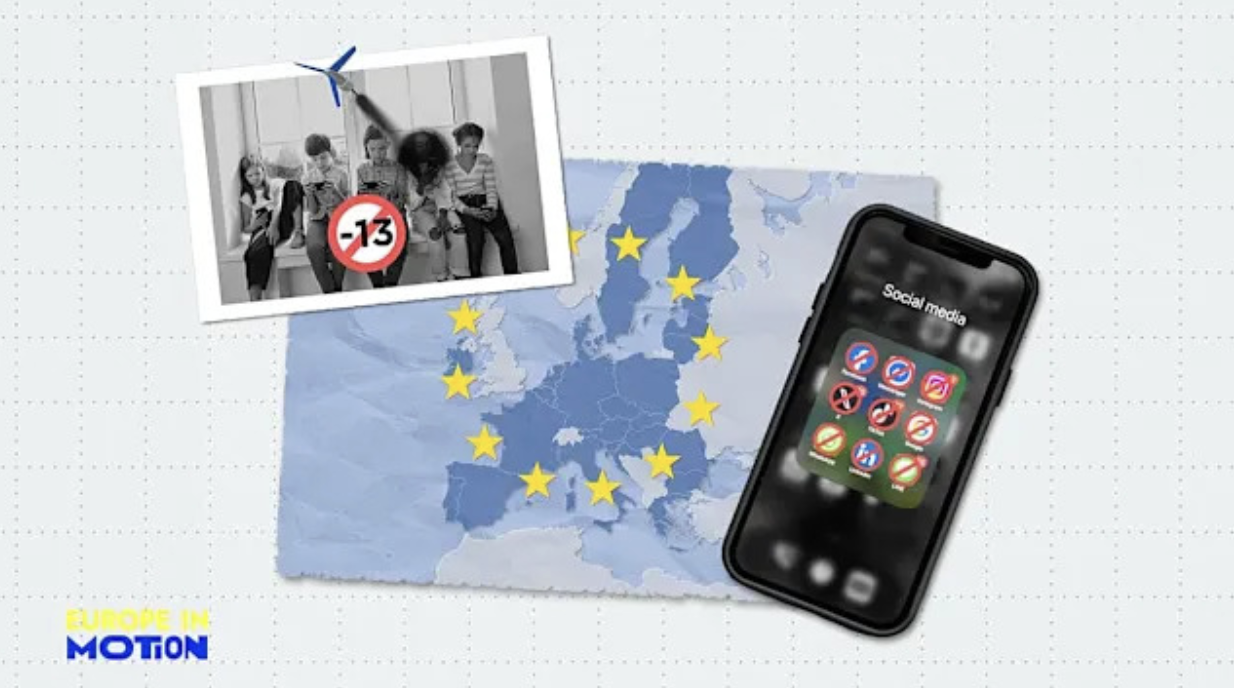
Since the Australian implementation, other countries have tried to implement age restrictions for social media, such as the U.K. and Brazil. But in September, the U.S. Congress and the European Union both introduced new proposals to implement within their respective jurisdictions: the Kids Internet and Digital Safety Act (Kids Act) and the EU Keeping Internet Digital Spaces Accountable and Trustworthy Act (EU Kids Act). The Kids Act combines previously proposed legislation, including the Kids Online Safety Act (KOSA), the Shielding Children’s Retinas from Egregious Exposure on the Net (SCREEN) Act, and the Safeguarding Adolescents from Exploitative (SAFE) BOTs Act. All of which are intended to protect children online from dangerous content or prevent social media addiction.
The Kids Act in the U.S. has already passed the House of Representatives, despite complaints from organizations such as the Electronic Frontier Foundation, which have criticized key portions of the bill, stating the bill would expand police power, limit protected speech, regulate private messages, and require handing over personal information to age verifiers on social media platforms. It received bipartisan criticism from Representative Thomas Massie, a libertarian Republican, calling the act “anti-privacy.” Progressive Democrat Alexandria Ocasio-Cortez also voted against the Kids Act out of concern that such a bill would undermine individual states’ authority to enforce regulations. That being said, there has been no action in the Senate or a response from the White House regarding the bill.
The EU Kids Act differs as there is no equivalent to the right to free speech laid out by the First Amendment of the U.S. Constitution. But in Europe, other concerns have been parroted by opponents of the proposal, such as concerns over age verification, privacy, and free speech. It would also require companies to implement “safety by design,” which could lead to a lack of uniformity in safety measures or available content, leaving it up to companies to decide what is considered “safe.”
The Information Technology and Innovation Foundation’s (ITIF) head of European tech, Patrick Grady, stated, “The proposed (EU) KIDS ACT regulates not only social media, but online video games, video-sharing platforms, and AI services. This broad scope has led to cross-category restrictions that don’t reflect how kids use the internet, such as one-hour time limits for online video games.” Here we see that many who are designing these laws don’t completely understand the practical realities of the internet or those who use it. Leaving children’s habits and attitudes to be shaped by the government. This then raises civil liberty questions, as children are usually represented by their parents. Parents who have their own biases may not totally embrace the digital age. So this raises the question of the freedom of choice for children and whether children have a say in the conversation.
Overall, as we see both the U.S. and the E.U. attempting to follow in the footsteps of Australia in trying to limit social media’s effect on children, this raises far bigger concerns over civil liberties. than what could be known. Despite there being many reasons to protect children, one should also consider whether we are trying to protect them correctly, or if politicians are trying to craft laws to solve modern problems that they don’t fully understand. This does not account for the fact that VPNs could mask one’s location in a country where social media has not yet been limited, or that, even with a ban, it does not stop bad actors from simply not complying, leading children to darker parts of the internet. Popular porn sites such as Pornhub have stated they intend to comply with the law; however, it should be noted that not all sites are as willing to work with the government. For example, sites such as 4chan have already announced they don’t plan to comply with the online safety law implemented in the U.K. Even if such acts are enacted, their enforcement will likely be challenged in court for the foreseeable future.
***
This article was edited by Nola Coburn and Emma Saliasi.
 Katie Mulhall
 Joseph Gilardi
 Sophia Kiosses