
Image via Angelina Katsanis/Reuters
***
For many American teenagers, the Ivy League is positioned as a pillar of success. In media, advertisements, and college counseling, “Ivies”—eight elite private research universities in Northeast America—are widely perceived as a direct pipeline to success. However, the past five years have painted a different picture than what the shiny brochures promise.
In terms of admissions, various schools across the Ivy League are seeing a slight, though noticeable, decline in applications. Yale University applicants dropped by nearly 7,000 students. Brown University applications also saw a decrease, going from 48,904 to 42,765. It’s not just the number of applicants either; Columbia College and the School of Engineering and Applied Science saw their admission rate spike from 3.86% to 4.29%. Meanwhile, at Cornell University, the number of accepted students rose by nearly 13.3%. The Ivies have long been branded as prestigious, nearly-impossible-to-be-accepted schools, and while they still boast low admission rates and high exclusivity, it’s difficult to ignore the drop in appeal.
So, what exactly is contributing to this decline? While pinning down an exact reason to blame is difficult, the growing distrust in private higher education certainly plays a role. Only 38% of Americans admit to having faith in higher education. In addition, according to a Gallup poll, 31% of Americans believe that having a college education is “very important.” While the public perception of a college education in general is relatively negative in the current cultural climate, Ivies are at the center of this growing distrust. Pinning the blame on certain factors, such as political polarization and the growing villanization of academia, makes sense. However, the wave of public controversies that have bombarded the Ivy League in recent years significantly contributes to widespread public distrust.
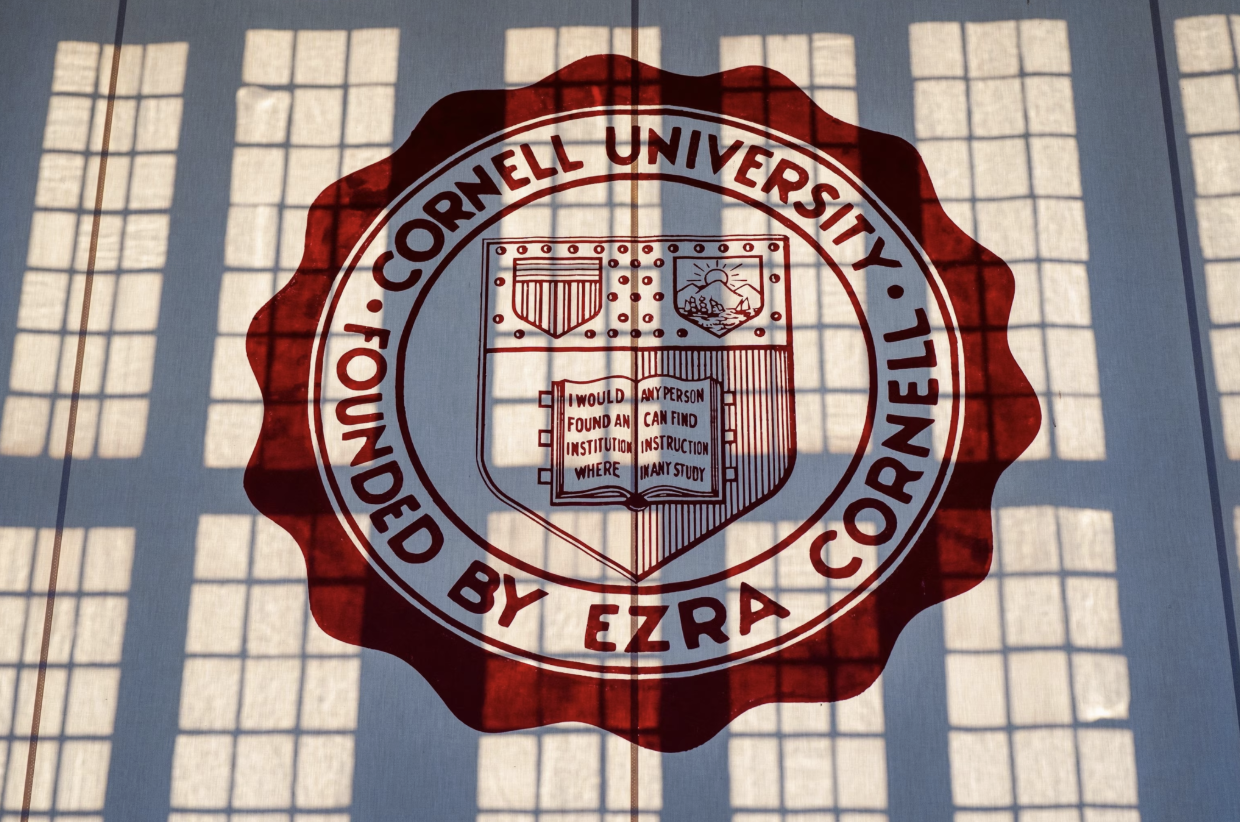
It’s nearly impossible to discuss this topic without bringing up the current state of Cornell University. Over the course of the past few weeks, the university has been at the center of an ongoing civil lawsuit, where a former student – who has chosen to stay anonymous – alleges that on the night of October 19, 2024, seven men from Cornell’s Chi Phi fraternity drugged and brutally gang-raped her. In response to her initial allegation and pursuit of justice under the Cornell administration, the men were allowed to maintain their student status and bypass further legal action by writing a series of essays. Only two were expelled; the others continued their education, while Jane Doe dropped out without reimbursement or further support from the university.
In every understandable manner, once this report reached the public via Cornell’s student-run newspaper, The Cornell Daily Sun, the public outrage towards Cornell was insurmountable. Between student protests and parental outrage, the response from the general public only contributes to growing distrust not only among the Ivies but in higher education as a whole. There is a certain give-and-take that comes with being a college student, a level of trust implying that while you, the student, shell out hundreds of thousands of dollars, you receive the support and reliability of the administration. With Cornell, we see a grimmer reality, where transparency and respect for the well-being of the student population are compromised, thereby undermining trust in whether universities deliver on their promises to students.
This case has since made national headlines, with New York State Governor Kathy Hochul signing an executive order to shift the case’s legal jurisdiction over to Attorney General Letitia James. She’s even vowed to close New York’s intoxication loophole; a bypass in state law that complicates prosecuting sexual assault cases when drugs and alcohol are involved. The attention to this story and the subsequent pressure placed not just on Cornell but on every university in America will greatly influence how we, as students and citizens, hold our institutions accountable. But for every case that makes national headlines, there are countless others that will never receive the attention and defense they deserve. For every administration office writing off the reality of the environments they create, there is a Jane Doe forced to live with the consequences of that environment. And for every university focused on prestige instead of protection, there is a student body on the other end, waiting for the disillusionment to end.
***
This article was edited by Lena Vanella-Martorana and Anna Marin.
 Anne Eslick-Persyn
 Lauren Fattorusso
 Aidan Rodrigues