
Image via the LA Times
***
Imagine in your time of hunger and need, everywhere on campus is closed except for McShane. Begrudgingly, you arrive at the cafeteria looking for food but are met with only a few cases of rice, lentils, and oil, expected to feed the entire student population at Fordham. A gruesome scene breaks out, and people start pushing and shoving one another. The freshmen fall to the ground and are trampled, whilst others collapse from exhaustion. If you manage to reach the front, you may only receive a small morsel–barely enough for your body to withstand the threats that surround you. This absurd and crude imaginative exercise reveals the fear and violence that occur from lacking the essential resources needed to live. However, our theoretical famine at McShane pales in comparison to the very real, horrific, and longstanding circumstances present in crisis zones across the world that rely on humanitarian aid for food and survival.
In 2025, approximately 266 million people across 47 countries and territories experienced high levels of acute food insecurity. Nations such as Kenya, Somalia, Sudan, and Yemen are experiencing extreme Phase 5 critical famine levels, per the Integrated Food Security Phase Classification scale (IPC AMN). Last year also marked the first time the Global Report on Food Crises (GRFC) reported two confirmed famines in the same year, in the Gaza Strip and parts of Sudan.
Will we ever know a world without world hunger? Years from now, will we too have to tell our kids at the dinner table that they have to clear their plates because “there are starving children in Africa?” As banal as these questions may be, they point to the glaring fact that world hunger, as we know it, is not improving. This must lead us to question not the humanitarian virtues of our future children who don’t like brussel sprouts, but of our leaders who are entrusted with leading international aid organizations. For instance, on September 18, 2026, Luke Lindberg was chosen to lead the World Food Programme (WFP), and his acceptance of this role has raised serious questions for the future of food aid.
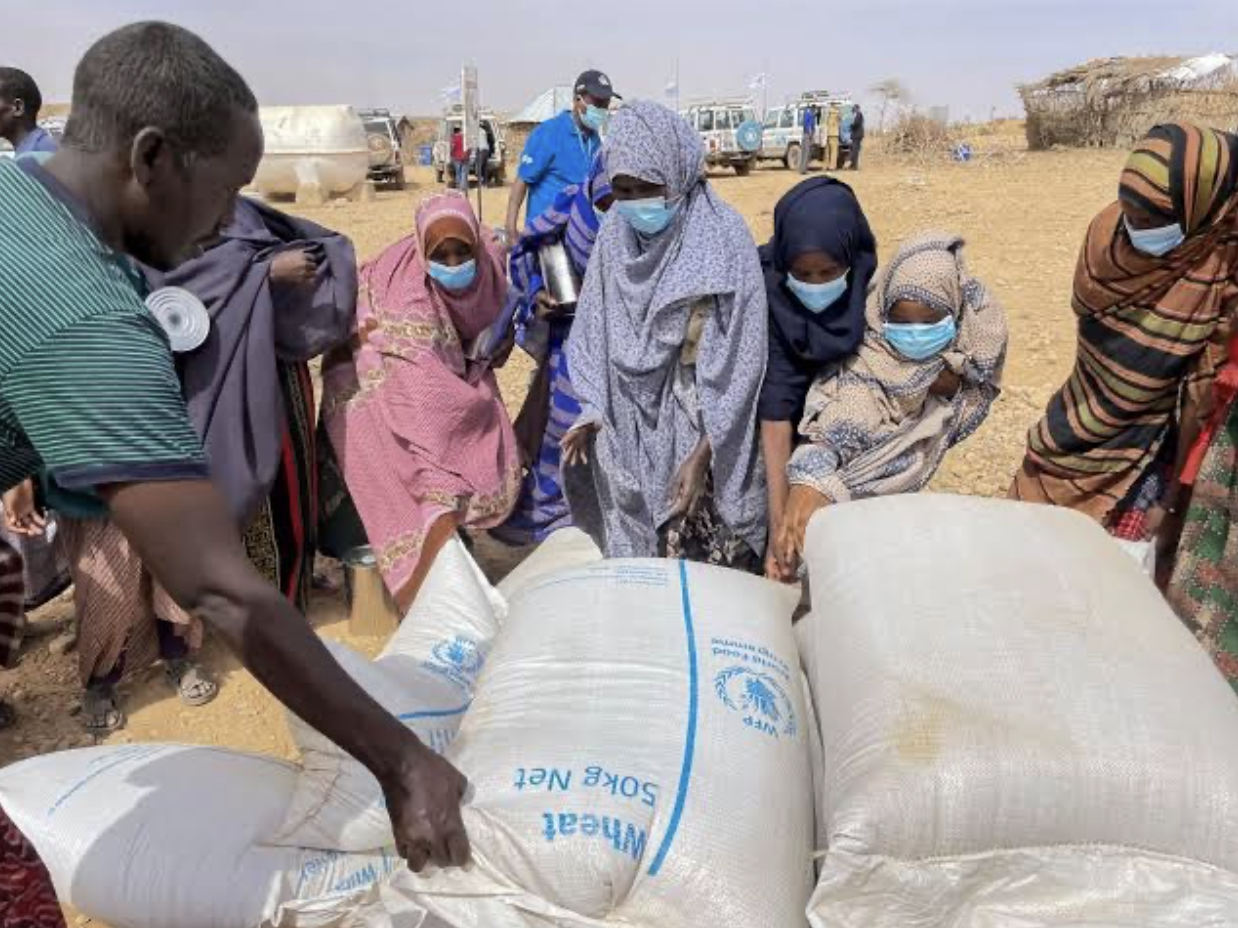
Officially part of the United Nations Sustainable Development Group, the WFP’s mission is to provide emergency relief in crises worldwide. Their initiatives range from bringing food to displaced peoples during conflicts and environmental disasters, to school nutrition programs, and supporting small farmers, which is paramount when considering that it is the largest humanitarian organization focused on food insecurity.
With a current operational budget of 13 million dollars, the allocation and management of their funding is critical to ensuring the vitality of an already weak humanitarian system facing the collapse of its largest donor, USAID. According to the WFP, the 40% budget shortfall will result in the termination of 28 of its most critical operations. For example, in Kenya, refugee camps that host more than 830,000 individuals are strained, currently facing a 20% ration in food and cash assistance. More than the apparent issue of insufficient material support for these refugees, scarcity leads to stampedes, protests, increased gender-based violence, and ultimately further deaths in these camps.
Without a doubt, the current state that Lindberg is entering as the director demands a level of ambition and advocacy. Previously serving as the Under Secretary for Trade and Foreign Agricultural Affairs at the U.S. Department of Agriculture, his resume most notably includes managing the McGovern-Dole Food for Education Program and the Food for Progress program. These efforts are focused on bulk purchasing U.S. agricultural commodities from American farmers to be sold commercially to expand trade in emerging economies and provide food assistance. Despite his proven ability to manage large-scale operations on an international level, he clearly has no experience in rapid emergency response, the very foundation of the WFP. Furthermore, his public record is alarming, including a public endorsement of Benjamin Netanyahu and frequent pro-Israel posts on public social media accounts. Not only does this go against the pillar of neutrality present in humanitarianism, but it is completely dissonant considering that the Gaza Strip is one of the crisis zones listed by the ICP that is experiencing famine. Concerns arise whether he will be able to bring his objective skills of systemic thinking and resource management at the cost of diplomacy and political awareness.
The official start date of his term has not yet been publicly announced, but as millions face acute food insecurity, the effectiveness and credibility of the WFP will depend on whether its leadership can ensure that assistance reaches those who need it most, regardless of political interests or circumstance.
***
This article was edited by Aayushi Kejriwal.
 Thomas Tisdale
  Samuel Speiser
  Domenick Fedele