
Image via Sam Chui
***
Several travelers vent frustrations about recent airline policy changes, such as Southwest’s switch from previous open-seating policy. However, these decisions reflect more than just regulatory and customer service priorities. They also serve as economic indicators for the aviation and travel industries. Rather than reducing costs, many of these changes have simply redistributed them. In today’s deregulatory environment the transitioning of financial risk from companies to consumers has become more transparent than ever, as new policies continue to expose how airlines protect profits by passing added expenses and inconveniences directly to passengers.
One of the biggest wins for passengers came in 2024, when automatic cash refunds for flight issues were enacted. Under this rule, passengers facing flight cancellations or significant delays were entitled to immediate cash compensation without explicit request. These refunds had to be issued within a strict timeline, often in less than a month. Additionally, airlines were required to provide refunds for amenities they failed to deliver, such as WiFi, in-flight entertainment, or specific seat selection. This action aimed to improve the passenger experience by allowing customers to resolve issues promptly without needing additional paperwork or hours spent on the phone.
This rule, along with other consumer-protection measures, was proposed and advanced under the Biden-Harris administration. However, the Trump administration later officially withdrew a proposal that would have expanded cash benefits for delays. This withdrawal signaled a shift away from consumer protection and towards reduced oversight and cost reduction, giving airlines greater flexibility in handling service disruptions beyond existing requirements.
The Trump administration’s proposal revocation intended to provide airlines with greater operational initiative, consistent with the 1978 Airline Deregulation Act. In theory, this approach enables airlines to combat the service and compensation they provide to customers. It takes a capitalist stance, promoting competition without imposing monetary regulations on airlines and allowing them to improve their own services rather than being subject to government-enforced operations. Ideally, such competition aims to enable differentiation for an improved passenger experience, but in reality, the effects have often been the opposite.
Instead of differentiating themselves, companies are now moving in the opposite direction. Airlines such as Southwest are revoking long-standing policies, making its services and fees identical to those of competing airlines. These changes indicate a significant shift in cost structures, allowing airlines to adjust pricing, staffing, and scheduling in response to rising operational expenses, with the financial burden taken on by consumers rather than the companies themselves.
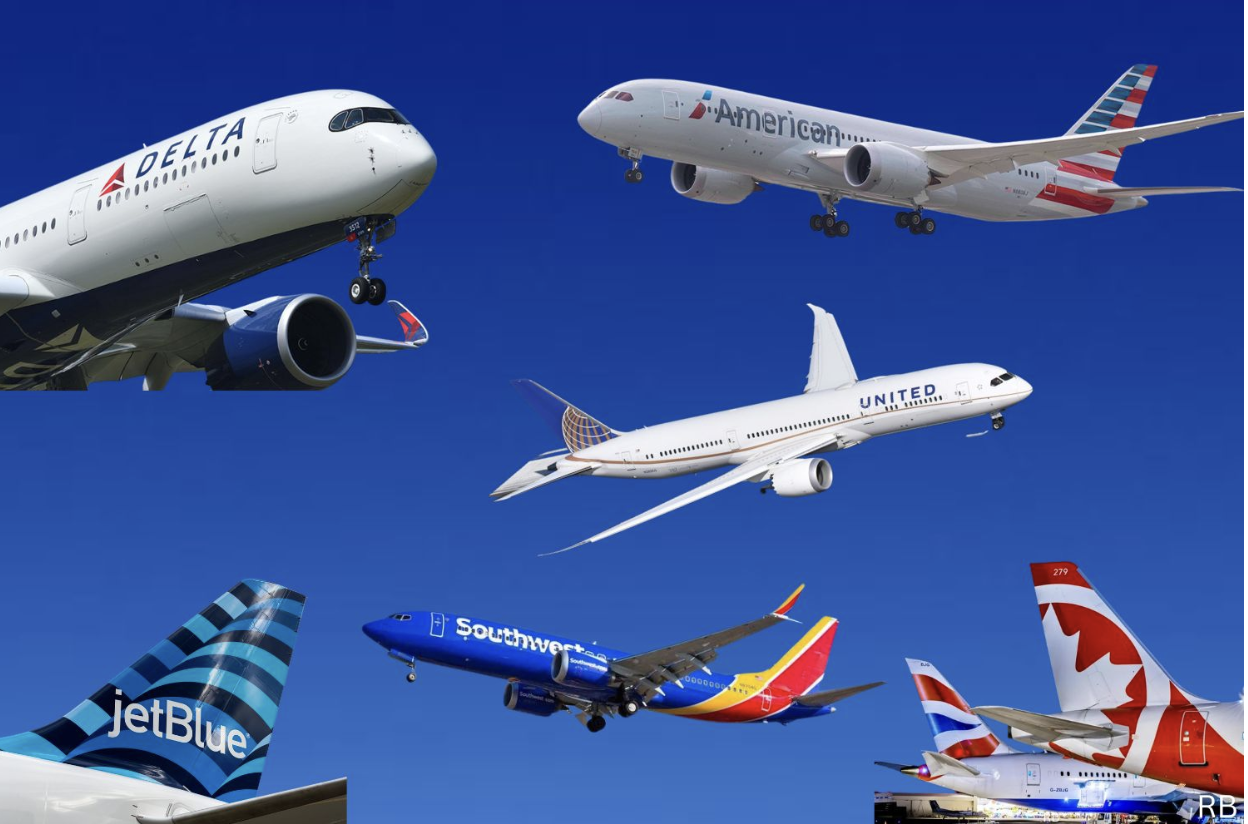
Southwest’s recent decision to end its 54-year-old “Bags Fly Free” policy has sparked scrutiny over how airlines are managing rising expenses amid their newfound operational freedom. For decades, this policy set Southwest apart and served as a defining feature of its brand identity and marketing. Now, the change aligns its fees with those of competitors American Airlines and United Airlines. This decision illustrates how airlines are reacting as cost-cutting pressures intensify, despite minimized restrictions and government oversight. It also raises a broader question: why would Southwest revoke the major policy that defined the brand and set it apart for decades?
The truth is, this change was part of a broader cost-reduction strategy driven by rising operational expenses and economic pressures. These pressures do not come as a surprise, given the government’s recent implementation of tariff policies. The costs of fuel and labor keep climbing, as airlines go head-to-head for resources. Meanwhile, annual growth in airline revenue is slowing, and the new deregulatory environment gives companies the opportunity to either absorb the risk or pass it along, and they consistently choose the latter.
The deregulation was intended to drive differentiation and increase consumer benefits; however, airlines have responded by shifting towards identical fee structures and reducing amenities, thereby diminishing the passenger experience. Their decisions show there is no doubt about increasing economic pressures, and deregulation has redefined who pays the price of instability: for airlines, it’s the passengers.
***
This article was edited by Fatimah Waqas and Lauren Fattorusso.
 Nathan Wellman
  Besalb Dema
  Sarah Olivia Sullivan