
Photo via Arabcenterdc
***
Strategic instability in the Middle East has revealed the limits of diplomacy when major powers are unwilling to remain committed to de-escalation; what initially appeared to be a structured effort towards peace, mediated through Pakistan, between the US and Iran has exposed the fragility of ceasefires, and the persistence of military objections are deeply rooted in the miscommunication and mistrust that continues to define regional conflicts. While Pakistan has emerged as a mediator, it represents a rare and significant diplomatic development that continues to unfold. The conflict with the actions of the United States and Israel alongside Iran’s resistance to nuclear and strategic concessions. Forecasting the current trajectory as one not rooted in resolution but in prolonged instability.
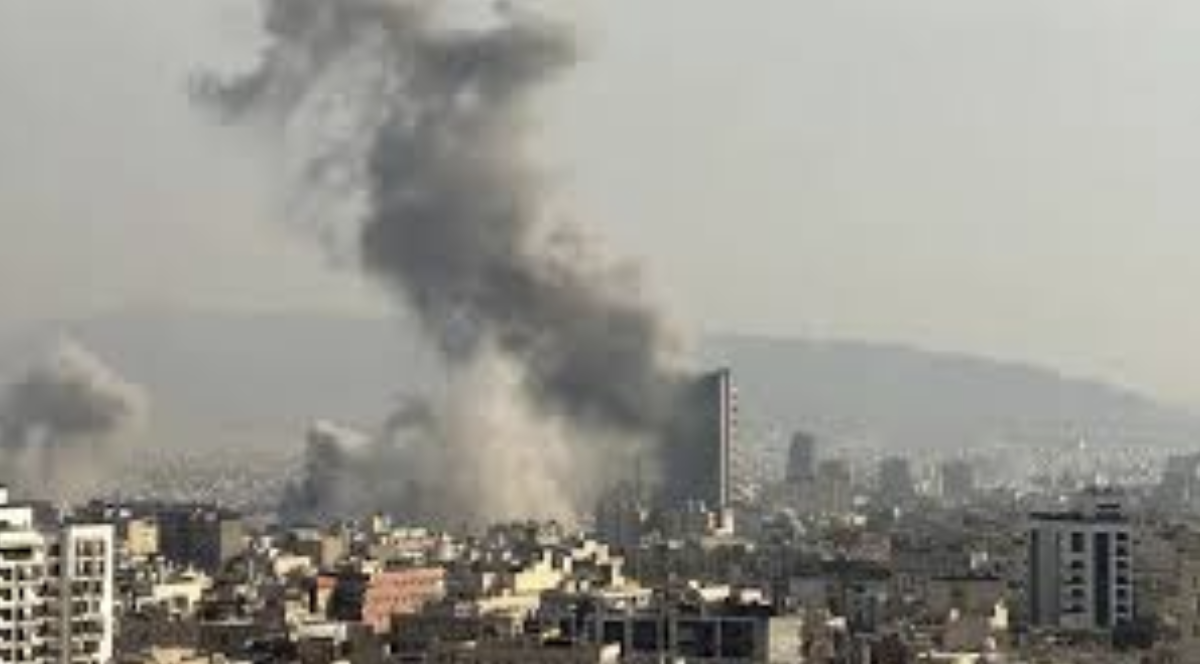
As seen within the most recent phase of the conflict, it could be traced to the escalation of the United States and Israeli military actions against Iran, which has triggered a border regional confrontation, particularly involving proxy forces like Hezbollah in Lebanon. As the war rapidly expands beyond the bilateral dispute affecting global energy markets, maritime time, trade, and regional security alliances, the response to the growing crisis has led to. Pakistan is stepping in as an intermediary, hosting high-level negotiations between the US and Iranian forces in Islamabad. These talks have lasted over 20 hours, marking one of the most significant diplomatic engagements between the two nations in decades. But this ultimately failed to produce a single agreement.
Pakistan’s role in this negotiation has been both strategically and unprecedentedly important, as it has been facilitated by its military leadership, particularly Army Chief Asim Munir, who has been facilitating communications between the two adversaries, thereby making this historic refusal of direct engagement possible. His involvement has been described as an unlikely peacemaker carrying proposals between Tehran and Washington, in hopes of stabilizing the situation. This mediation effort, led by a temporary ceasefire that began on April 8th, 2026, created a space for border negotiations.
Although it had seemed to be working, the ceasefire does not necessarily indicate peace; in fact, it violates what has already occurred and continues to allow tensions to persist. The United States imposed a naval blockade on Iran shortly after the failure of the Islamabad talks. As they mentioned, the US is targeting Iranian shipping and severely impacting its economy. On the other hand, Iran has continued, even though it is willing to escalate and further threaten to disrupt maritime traffic through the Straits of Hormuz; these actions only highlight the fundamental contradictions of these negotiations. Furthermore, Israel’s role within this situation has only been to complicate matters, as although the ceasefire efforts have extended to include a 10-day truce between Israel and Hezbollah in Lebanon, military action has not ceased. Israeli forces have only continued their operations in southern Lebanon, and the terms of the ceasefire have remained ambiguous, with neither side fully committing to long-term compliance. There are even reports indicating that Israel has refused to withdraw from certain areas, claiming that they maintain a strategic presence despite the ongoing diplomatic discussions regarding a ceasefire between Israel and Lebanon.
This pattern is only partially compliant with the border concerns, as the disagreement has undermined mediation efforts and led only to continued military engagement through negotiations, despite the United States publicly supporting ceasefire extensions and diplomatic resolutions. Simultaneously, it has maintained its military pressure, including strategic positioning and blockades. In the negotiations, this dual approach has started to raise questions about the sincerity and effectiveness of the commitment to the escalation.
On to the discussions about the nuclear issue, which remains outside the central obstacle of this lasting agreement. The United States has insisted on guarantees that Iran will not pursue nuclear weapons for any reason necessary for global security. Although Iranian officials, however, resisted these demands, arguing that the nuclear program is sovereign and defensive in nature, during the said negotiations, the US has pushed for long-term restrictions on uranium enrichment in Iran. Just refuse to accept these limitations and would compromise for strategic autonomy in exchange.
These disagreements reflect the deeper issue of the lack of trust between Iran and the United States, as, from the US perspective, Iran’s nuclear capabilities represent a potential deadly threat that has to be contained by any measures necessary, and, from the Iranian perspective, the US demands are seen as an extension of military and economic coercion. The result of these negotiation frameworks has shown that neither side is willing to compromise on its core priorities.
Nevertheless, global economic consequences are already emerging, as the Straits of Hormuz play a critical role in global oil shipments and have become a focal point of the conflict. In the Middle East, recent developments suggest that Iran has agreed to keep the straits open under the ceasefire conditions, leading to a significant drop in oil prices as fears of supply disruptions subside. While it could be perceived as a signal of progress, it is important to recognize and understand that stability is conventional and temporary, with any breakdown in negotiations. Possibly reversing these gains, demonstrating how closely global markets are tied to geopolitical risk.
As a mediator between the US and Iran, it highlights both the potential and the limitations of third-party mediation. The country has leveraged its relationships with both Iran and the US by keeping communication channels open even as talks begin to stall. Pakistani officials have already been working to organize additional negotiations and extend the ceasefire agreement. However, these mediations alone are not going to resolve the conflicts when the primary actors, as in the US and Israel, are unwilling to compromise with Iran, and the border regional implications of this conflict. The involvement of multiple actors, including Lebanon, will not be ignored, having increased the risk of escalation; it is all about containing a simple war. The continued presence of military operations by both the US and Israel, even during ceasefires, has created an environment for miscalculations and has. Following the likelihood that a single incident, whether intentional or accidental, will ignite the full-scale conflict.
Ultimately, the current situation reflects the fundamental disconnect between diplomacy and action. At the same time, the negotiations in Islamabad reflect diplomacy and represent a significant step towards dialogue between the two countries. Consistent behaviors on the ground do not support them as the US continues to apply economic and military pressures, Israel is maintaining active operations in Lebanon, and Iran is refusing to make concessions on its nuclear programs; each of these countries and their actions may be justified. Visually, but collectively, they have undermined the possibility of a single lasting agreement.
If this pattern really is to continue, the outcome is extremely predictable. These ceasefires will remain temporary negotiations and yield limited progress. They’re both sides, and conflicts will persist, with cycles of escalation and pause. The international system is already on stream in economic and political terms. Challenges. With the added instability, they will face as a result. The US slash Iran slash Israel dynamic is not a regional issue. It is a global phenomenon affecting energy markets, oil supply, security alliances, and the balance of power across these borders.
Within the context of mediation, the role has become more important and more difficult. Augustan efforts highlight the potential for neutral actors to facilitate dialogue, but they also revealed the limitations of diplomacy when trust is gone and strategic interests are at stake. Interests are dominating the playing field. The Curvature Actuary is suggesting that, without even a fundamental shift, we’re gonna be approaching how these three countries are taking the war. Long-term stability will be over before short-term advantage, as the conflict will never be resolved. Instead, it will continue to involve drawing in more countries and actors, creating greater uncertainty in the Middle East, and reinforcing tensions that mediators seek to reduce.
***
This article was edited by Abigail D’Angelo.
 Luke Helmholz
  Sidney Levitt
  Ayden Suber